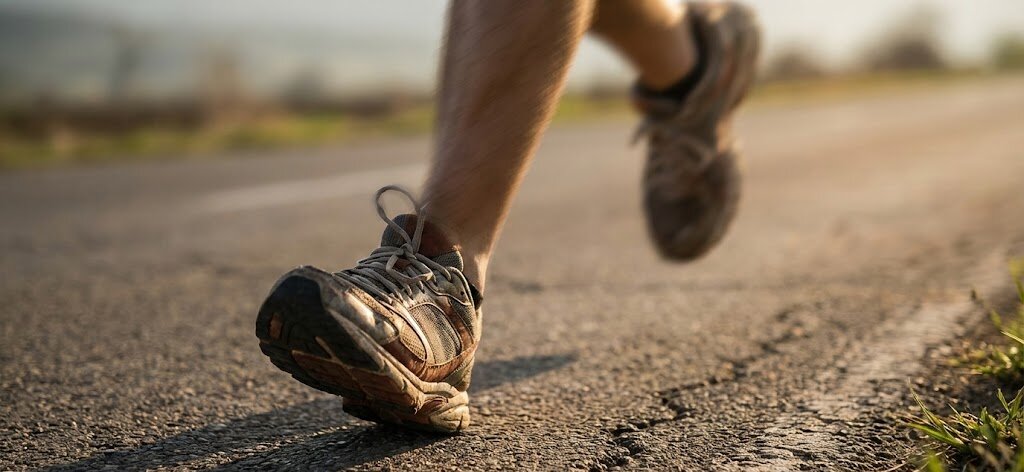
The magic number “180 steps per minute” has become running gospel, often cited as the ideal cadence for all runners. But what does the science actually say? Research reveals a more nuanced picture of how cadence affects performance and injury risk.
What Is Running Cadence?
Running cadence (also called stride rate or step frequency) is simply the number of steps you take per minute while running. It’s one of two factors that determine your running speed - the other being stride length.
Running Speed = Cadence × Stride Length
This means you can run faster by either taking more steps per minute (higher cadence) or taking longer steps (greater stride length) - or both.
The 180 Steps Per Minute Myth
The famous “180 cadence” recommendation originated from coach Jack Daniels’ observations at the 1984 Olympics. He noted that elite distance runners typically ran at cadences of 180 steps per minute or higher.
However, recent research has clarified several important points:
- Elite runners vary: Cadences among elite runners range from 170-190+ steps per minute depending on pace and individual characteristics
- Speed matters: Cadence naturally increases with running speed - you shouldn’t expect the same cadence during an easy jog as during a race
- Individual variation: Body proportions, running experience, and biomechanics all influence optimal cadence
What Research Says About Optimal Cadence
A systematic review published in Cureus examined the relationship between running cadence, biomechanics, and injury prevention. The findings:
Typical Cadence Ranges
| Runner Level | Typical Cadence Range |
|---|---|
| Recreational runners | 150-170 spm |
| Competitive runners | 170-180 spm |
| Elite runners | 180-200+ spm |
The Speed-Cadence Relationship
Research on running kinetics confirms that cadence varies significantly with speed. A runner might have a cadence of 160 spm during an easy recovery run but 185 spm during a tempo workout. This is normal and expected.
The Injury Prevention Connection
Perhaps the most compelling reason to consider cadence is its relationship to injury risk. Studies show that increasing cadence can:
Reduce Impact Forces
When you increase cadence (while maintaining the same speed), you naturally shorten your stride. This results in:
- Lower vertical loading rate: The rate at which force is applied to your body decreases, reducing stress on bones and joints
- Reduced knee loading: Studies show significantly lower forces at the knee joint
- Less hip stress: Hip joint loading also decreases with higher cadence
- Lower back protection: Reduced impact forces mean less stress transmitted to the lumbar spine
Change Foot Strike Pattern
Higher cadence tends to shift your foot strike point closer to your center of mass, which:
- Reduces overstriding (landing with your foot far in front of your body)
- Decreases braking forces with each step
- Promotes a more midfoot rather than heel strike pattern
The Numbers
Research suggests that a modest increase in cadence of just 5-10% can significantly reduce:
- Knee joint loading by up to 20%
- Hip joint loading by up to 15%
- Vertical loading rate (linked to stress fractures) by up to 18%
The Performance Connection
Beyond injury prevention, cadence can affect running economy and performance.
Running Economy Benefits
Studies have found that increasing cadence can lead to improvements in running economy - allowing you to maintain your pace with less oxygen consumption and energy expenditure.
This occurs because:
- Less vertical oscillation: Higher cadence reduces the amount you bounce up and down with each step
- More efficient energy return: Shorter ground contact time can improve elastic energy storage and return in tendons
- Reduced braking forces: Less overstriding means less energy wasted decelerating with each step
Elite Runner Patterns
Analysis of elite marathon runners shows they maintain high cadences even at relatively slow speeds. This suggests that an efficient cadence developed through years of training becomes their natural pattern.
Should You Change Your Cadence?
Before rushing to change your running form, consider these evidence-based recommendations:
When to Consider Increasing Cadence
- You’re injury-prone: If you have recurring injuries, especially to knees, hips, or shins, a modest cadence increase may help
- You’re a significant overstrider: If you land with your foot well in front of your body, higher cadence can help
- Your cadence is very low: If you’re running at 155-160 spm at moderate speeds, there may be room for improvement
When NOT to Change Cadence
- You’re injury-free: If it ain’t broke, don’t fix it
- You’re already in the optimal range: If you’re at 170-180 spm at moderate efforts, you’re likely fine
- You’re preparing for a race: Major form changes should happen in the off-season, not before key events
How to Safely Increase Cadence
If you decide to work on cadence, follow these evidence-based guidelines:
1. Measure Your Current Cadence
Count your steps for 30 seconds during a typical easy run and multiply by 2. Most GPS watches now track cadence automatically.
2. Make Small Changes
Increase by only 5% at a time. If your current cadence is 160 spm, target 168 spm initially - not 180.
3. Use a Metronome
Apps like “Run Tempo” or simple metronome apps can help you maintain your target cadence. Set it to your goal and match your steps to the beat.
4. Focus on Short Intervals
Don’t try to maintain the new cadence for your entire run. Start with 1-2 minute intervals at higher cadence, then return to your natural rhythm.
5. Allow Adaptation Time
Give your body 4-6 weeks to adapt to each cadence increase before attempting another change.
Cadence Drills
Quick Feet Drill
During your warm-up, do 30-second bursts of very quick, short steps in place. This trains your nervous system for higher turnover.
Downhill Strides
On a gentle downhill, let gravity naturally increase your cadence. Focus on light, quick steps rather than reaching with longer strides.
Music Matching
Create a playlist with songs at your target BPM (beats per minute). Match your foot strikes to the beat.
The Bottom Line
Research supports that:
- There’s no single “optimal” cadence - it varies by individual and speed
- Higher cadence (170-180+ spm) is associated with lower injury risk through reduced impact forces
- Modest increases of 5-10% can provide benefits without requiring dramatic form changes
- Changes should be gradual - your body needs time to adapt to new movement patterns
Rather than chasing a specific number, focus on running with quick, light steps and avoiding overstriding. For many runners, this naturally results in a cadence in the optimal range.
Scientific References: